Table of Contents
In Berthoud renovations, ensuring the safety of existing electrical feeders is a critical step that expert installers prioritize. Feeders, which are the conductors delivering power from the main service panel to subpanels or major appliances, often date back decades in older homes undergoing updates. As families expand living spaces or modernize kitchens and additions, these components must withstand increased demands without posing fire hazards or shock risks. Expert installers approach this evaluation systematically, combining visual checks, calculations, and tests to determine if feeders meet current standards like the National Electrical Code (NEC). This process not only safeguards occupants but also prevents costly failures during renovations. By understanding how professionals assess feeder safety, homeowners can make informed decisions about upgrades.
Berthoud’s mix of historic and mid-century homes means many feeders feature aluminum wiring or outdated insulation, common issues in Colorado’s variable climate. Moisture, temperature fluctuations, and rodent activity can degrade these systems over time. Expert installers start by reviewing building plans and service records, then proceed to on-site assessments. This methodical evaluation bridges the gap between legacy infrastructure and modern electrical needs, ensuring renovations proceed smoothly.
Understanding Feeders and Their Role in Renovations
Feeders differ from branch circuits by handling higher amperages over longer distances. In a typical Berthoud ranch-style home renovation, feeders might supply a new garage subpanel or basement workshop. Experts first identify feeder types—copper or aluminum, THHN, or older cloth-insulated varieties—to gauge potential vulnerabilities. Age, installation method, and exposure to environmental factors influence their condition.
During renovations, ignoring feeder safety can lead to overloads when new HVAC systems or electric vehicles draw more power. Professionals emphasize that safe feeders maintain proper ampacity, the maximum current they can carry without overheating. Transitional to the evaluation process, installers use a multi-phase approach: inspection, measurement, and verification, each building on the last for comprehensive safety assurance.
Initial Visual Inspection Procedures
The evaluation begins with a thorough visual inspection, often the most revealing step. Expert installers don personal protective equipment and de-energize circuits where possible. They examine feeders for discoloration, such as blackened insulation indicating arcing or overheating. Corrosion at connections, loose terminations, or physical damage from nails and drills during past DIY projects signal immediate concerns.
In Berthoud’s attics and crawlspaces, installers check for proper support—feeders must be secured every 4.5 feet per NEC guidelines to prevent abrasion. Rodent chew marks or water stains prompt further investigation. This phase transitions seamlessly into quantitative assessments, as visual cues guide targeted testing.
Here is a numbered list outlining key visual checks expert installers perform:
- Inspect insulation for cracks, brittleness, or melting.
- Examine terminations for tightness and signs of oxidation.
- Verify conduit fill and protection from physical damage.
- Check for undersized conductors relative to visible loads.
- Assess grounding conductor integrity.
- Document environmental exposures like dampness or pests.
Load Calculation and Ampacity Verification
Following visual checks, experts calculate existing and projected loads. Using NEC Article 220, they tally continuous and non-continuous loads from appliances, lighting, and new renovation features. For instance, adding a hot tub or EV charger in Berthoud requires verifying if feeders can handle the demand without derating for ambient temperature or bundling.
Ampacity tables in NEC Chapter 3 provide baselines, adjusted for factors like 75°C terminations. If a 100-amp feeder shows 125% utilization post-renovation, replacement becomes necessary. This analysis ensures feeders operate below 80% capacity under full load, preventing nuisance trips or fires. Smoothly linking to testing, load data informs which circuits need multimeter verification.
Electrical Testing and Diagnostic Tools
Testing quantifies visual and calculative findings. Installers use a clamp meter to measure current draw under load, confirming no excessive heating. An insulation resistance tester (megohmmeter) applies 500-1000V to detect leakage paths, with readings below 100 megohms indicating replacement.
Continuity tests verify neutral and ground paths, while thermal imaging cameras reveal hot spots invisible to the eye. In Berthoud’s older systems, these tools uncover aluminum-to-copper mismatches causing galvanic corrosion. Results guide decisions: pass for continuation, fail for remediation.
To illustrate common findings, the following table summarizes diagnostic outcomes:
| Test Type | Pass Criteria | Fail Indicators | Action Required |
|---|---|---|---|
| Visual Inspection | No damage or wear | Burn marks, loose wires | Repair or replace |
| Load Calculation | <80% utilization | >100% projected load | Upgrade feeder |
| Insulation Resistance | >100 MΩ | <50 MΩ | Full replacement |
| Thermal Imaging | No hotspots | >10°C above ambient | Investigate connections |
| Continuity | Low resistance | Open circuits | Re-terminate |
Code Compliance and Documentation
Compliance with NEC 2023, adopted locally in Larimer County, is non-negotiable. Experts verify feeder sizing per Table 310.16, GFCI/AFCI requirements, and labeling. Berthoud permits demand detailed reports, so installers document findings with photos, calculations, and test results.
This paperwork supports renovation approvals and warranties. If issues arise, recommendations range from pigtailing aluminum to full NM-B cable runs. Transitioning to the renovation phase, safe feeders enable seamless integration of new circuits.
Integration with Overall Renovation Safety
Feeder evaluation fits into broader electrical audits, coordinating with panel upgrades and arc-fault protection. Experts advise staged renovations to minimize disruptions, prioritizing high-risk feeders. Homeowners benefit from this proactive stance, avoiding insurance claim denials post-incident.
In conclusion, expert installers evaluate feeder safety through layered inspections, calculations, and tests tailored to Berthoud’s renovation landscape. This rigorous process upholds safety standards, allowing homeowners to enjoy modernized spaces confidently. By partnering with qualified professionals, renovations transform homes without compromising electrical integrity.
Frequently Asked Questions
What are electrical feeders? Feeders are large conductors that carry electricity from the main service entrance to distribution points like subpanels, distinct from smaller branch circuits serving outlets.
Why evaluate feeders during Berthoud renovations? Renovations often increase electrical demands, and aging feeders may not handle new loads safely, risking overloads or fires.
How long does a feeder safety evaluation take? It typically spans 2-4 hours per system, depending on access and complexity, excluding any repairs.
Can older aluminum feeders be safely reused? Yes, if inspected, tested, and pigtailed properly with approved connectors, meeting NEC standards.
What if feeders fail the evaluation? Experts recommend upsizing or replacing them with modern copper conductors to match load requirements.
Do local codes in Berthoud differ from NEC? Berthoud follows NEC with amendments via Larimer County; experts ensure full compliance for permit approval.
Get Your Electrical Issues Fixed Today!
Are electrical issues affecting your home’s safety or increasing your energy bills? Our professional electrical services help restore reliability while improving efficiency to reduce unnecessary power usage.
Problems such as outdated wiring, faulty outlets, or overloaded circuits can quietly waste electricity and drive up monthly costs. Timely electrical repairs and upgrades can help lower your power bills and prevent more expensive issues later.
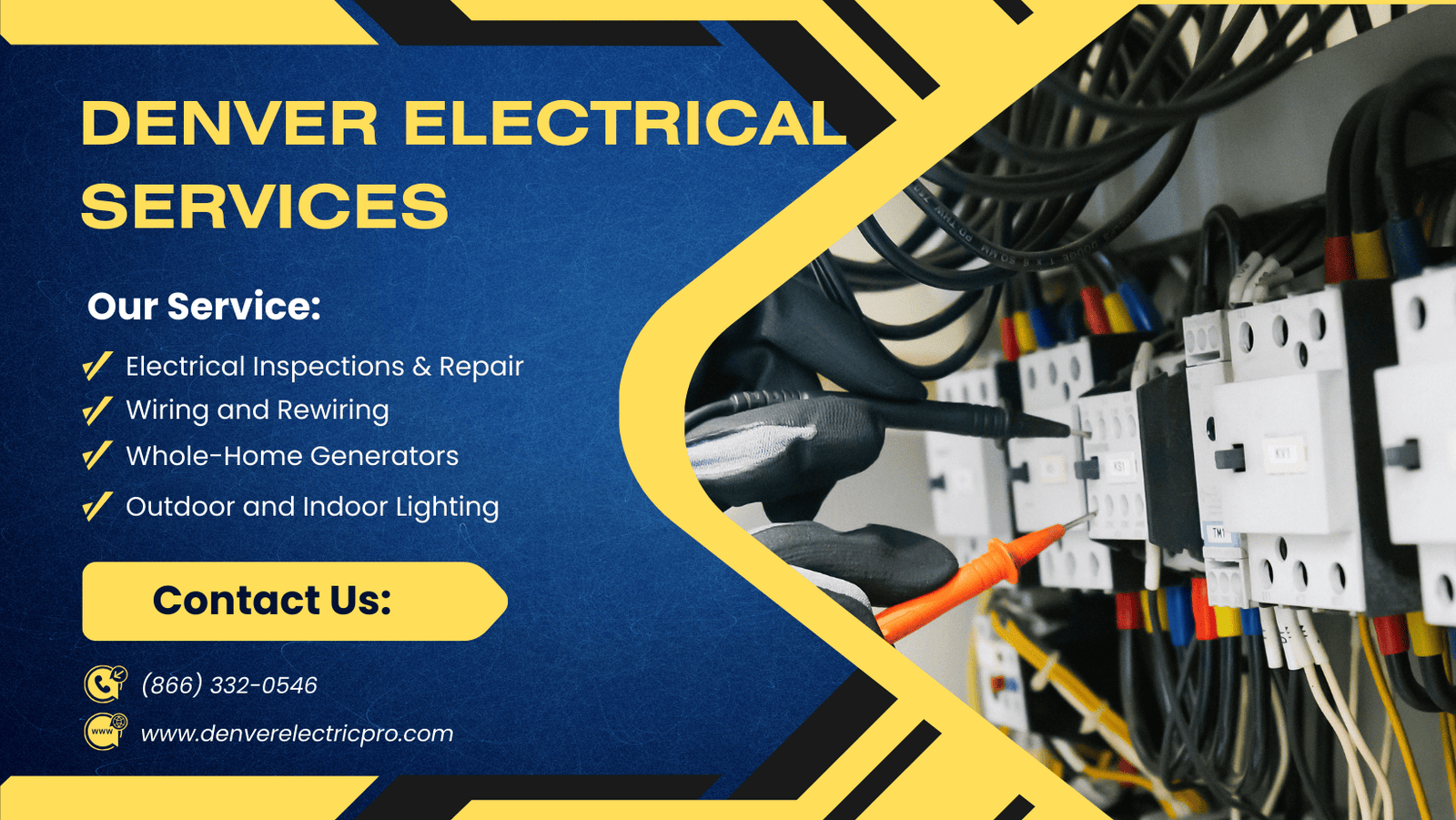
Ready to improve safety and energy efficiency? Call (866) 332-0546 now for expert electrical assistance. Please have your ZIP code ready so we can quickly connect you with licensed electricians in your area.